A practical motor sourcing guide for B2B buyers. How to compare quotes correctly for prototypes (BLDC, maxon brushless motors), volume production (NEMA stepper motors), and retrofits (servo motors for sewing machines)—without getting burned by hidden costs.
A procurement manager with six years of drivetrain TCO data argues that unit price is the least reliable number in a motor quote — and explains what to look at instead, from datasheet completeness to torque-speed curves.
A procurement manager explains why motor unit price is a rounding error compared to the hidden costs of wrong specifications, VFD incompatibility, and poor documentation — with specific lessons from evaluating maxon EC motors, e-MTB drive systems, and generic DC/induction motor options.
A rush-sourcing story about Maxon motor price, a Maxon DCX motor, a Century AC motor, a NEMA 8 stepper motor, and how VFD control motor speed affects replacement specs.
A rush-order specialist explains why the lowest motor line item is rarely the lowest project cost — and what a maxon motor price actually pays for when the clock is already running.
An emergency-replacement decision guide for engineers facing an unexpected motor failure — organized by scenario, with an honest note on when a precision motor like a maxon is worth the price and when it isn't.
A procurement manager recounts how choosing the lowest bid for industrial motors backfired, and how a total-cost-of-ownership analysis changed the company's buying policy for good.
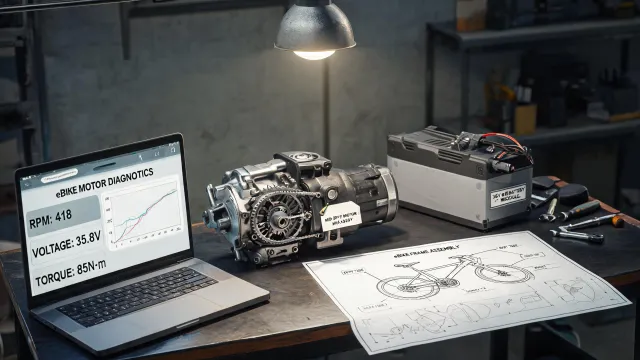
A drivetrain sourcing mistake on an e-MTB demo build cost us $1,900 and five days. Here's what the bearing failure looked like, how maxon's documentation saved the fix, and the four checks that would have prevented it.
On a 48-hour motor replacement for automation and e-MTB clients, unit price is a rounding error. Here's how I calculate total cost of ownership before approving any substitute — and when the cheap option is actually fine.