Integration services

From first ride sample to controlled OEM production launch

Bosch eBike Systems service work is built around the questions that slow down a real program: which motor envelope fits the frame, how the PowerTube battery exits the downtube, which display logic belongs in each market, and how dealers will diagnose an issue when the bike is already in service. Our team treats those topics as one connected engineering track rather than separate accessory decisions.

Service pillars for mid-drive programs

Each pillar uses practical documentation, controlled assumptions and clear review gates. The result is a launch path that gives design, procurement, quality and dealer-service teams the same technical language.

01

Package review

Motor mount, Q-factor, cable bend radius, battery removal direction and display position are reviewed against the frame concept before tooling. The notes include 36 V battery limits, harness routing, service clearance and torque reaction points so the first prototype is not carrying hidden assembly risk.

02

Ride-behavior tuning

Support modes are discussed as cadence, rider force and wheel-speed behavior, not just a marketing label. Teams compare CX, Performance Line, Active Line Plus and SX responses with duty scenarios such as cargo launch, steep eMTB climb, urban stop-start traffic and long trekking range.

03

Compliance coordination

Documentation planning covers EN 15194 EPAC alignment, CE files, battery transport references and IEC 62133 pack evidence where applicable. We map what is provided by the system supplier and what remains under the complete vehicle manufacturer responsibility.

04

Dealer service readiness

Kiox display behavior, Flow app updates, error-code routing and warranty triage are reviewed with workshop reality in view. The goal is a dealer flow that can distinguish rider setup, firmware state, harness damage and genuine motor replacement decisions.

Impact data tracked during engineering support

We use measurable gates so the OEM team can see progress. These values are planning targets and review checkpoints, not unsupported lifetime promises.

5 dOEM RFQ engineering review window
4 hStock support response during business hours
80+OEM platform references in active channels
EN 15194EPAC documentation path reviewed

A typical integration engagement starts with a mechanical envelope discussion, moves into electrical and firmware planning, then finishes with service documentation and regional launch notes. For a trekking bike this may focus on battery range and display ergonomics. For an eMTB, the main discussion is cadence response, heat exposure and frame stiffness. For cargo platforms, the review often centers on launch control, pack logistics and dealer parts availability. We keep the same disciplined sequence so the engineering file can travel with the project when it moves from product management to the factory floor.
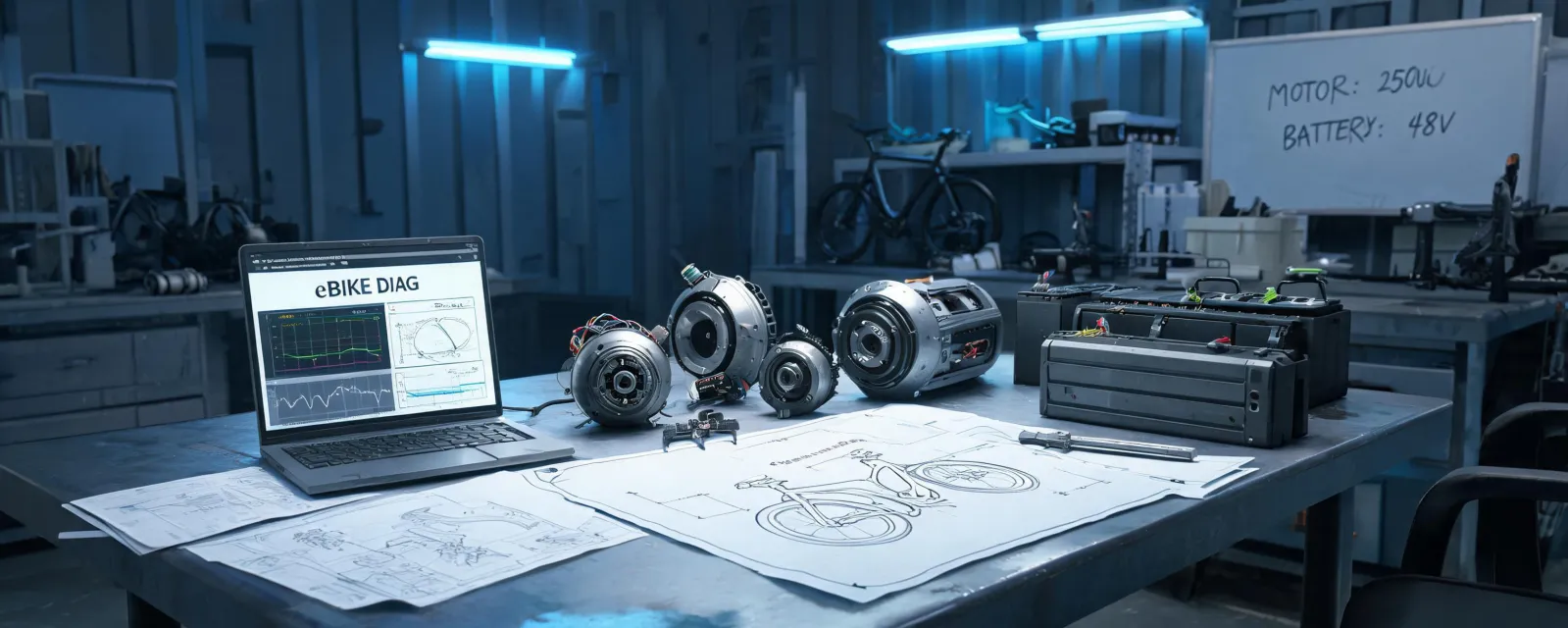
eBike OEM engineering review room
Spec engineer review

Send the constraints before tooling locks.

Share motor line preference, annual volume, frame envelope, target countries and service model. We will return a review path for the next design checkpoint.

By submitting this request, you agree to our Privacy Policy. Stock items receive a 4-hour business response; OEM RFQs receive a full engineering review within 5 business days.